

When it comes to storing grain, keeping it in the best condition is super important. One key player in this process is the grain chiller. As a grain chiller supplier, I've seen firsthand how the size of these machines can have a huge impact on their performance. So, let's dig into how the size of a grain chiller affects its overall performance.
Cooling Capacity
The most obvious way the size of a grain chiller affects performance is through its cooling capacity. A larger grain chiller generally has a higher cooling capacity. This means it can remove more heat from the grain in a given time. If you've got a large - scale grain storage facility with tons of grain, a small chiller just won't cut it.
For example, if you're storing thousands of bushels of wheat in a big grain bin, you need a chiller that can handle the heat load. A large chiller can circulate cold air throughout the bin more effectively, bringing the temperature of the grain down to the desired level quickly. On the other hand, a small chiller will struggle to cool the same amount of grain. It might take days or even weeks to achieve the right temperature, and during this time, the grain could start to spoil.
But it's not always about going for the biggest chiller. If you have a small grain bin, say one that holds a few hundred bushels, a huge chiller would be overkill. It would consume a lot of energy, driving up your operating costs, and it might cool the grain too quickly, which could lead to condensation and other issues.
Airflow
Another aspect where size matters is airflow. Larger grain chillers usually come with bigger fans and ducts. These components allow for better airflow within the grain bin. Good airflow is crucial because it helps distribute the cold air evenly throughout the grain mass.
When the airflow is sufficient, every part of the grain gets cooled uniformly. This prevents hot spots from forming in the bin. Hot spots are areas where the temperature is higher than the rest of the grain, and they can be a breeding ground for mold and insects.
A smaller chiller might not be able to generate the same level of airflow. The cold air might not reach all corners of the grain bin, leaving some areas warmer. This uneven cooling can compromise the quality of the grain. So, depending on the size of your grain bin and the type of grain you're storing, you need to choose a chiller that can provide adequate airflow.
Energy Efficiency
Energy efficiency is a big deal, both for your wallet and the environment. The size of the grain chiller plays a significant role in its energy consumption.
Generally, a well - sized grain chiller is more energy - efficient. If you choose a chiller that's too small for your grain storage needs, it will have to run continuously to try and cool the grain. This constant operation consumes a lot of energy. On the flip side, an oversized chiller will cycle on and off frequently. Each time it starts up, it uses a large amount of energy, and this frequent cycling also reduces its overall efficiency.
To get the best energy efficiency, you need to match the size of the chiller to the size of your grain storage. This way, the chiller can operate at its optimal level, using just the right amount of energy to cool the grain effectively.
Installation and Maintenance
The size of the grain chiller also affects installation and maintenance. Larger chillers are usually more difficult to install. They might require more space in and around the grain bin, and they could need specialized equipment for installation. This can add to the overall cost of setting up the cooling system.
Maintenance is another area where size makes a difference. Larger chillers have more components, which means there are more things that can go wrong. They also might require more frequent maintenance to keep them running smoothly. However, if the chiller is properly sized for your needs, the benefits of better performance usually outweigh these challenges.
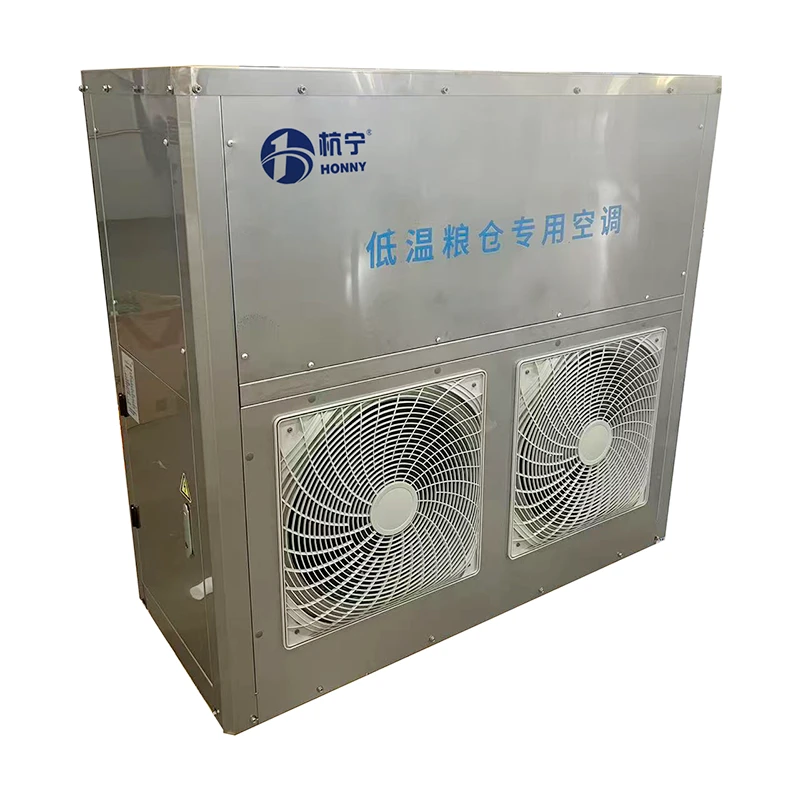

Types of Grain Chillers and Their Sizes
There are different types of grain chillers available in the market, and each type comes in various sizes.
The Dual - Function Grain Bin Cooling Machine is a popular choice. It can be found in different sizes to suit different grain storage requirements. This type of chiller offers both cooling and ventilation functions, which is great for maintaining the right conditions in the grain bin.
The Grain Top Cooling System is another option. It's designed to cool the top layer of the grain in the bin. Depending on the size of the bin, you can choose a system that provides enough cooling power.
The Finished Grain Storage Climate Control Unit is ideal for storing finished grains. These units come in a range of sizes to ensure proper temperature and humidity control.
Making the Right Choice
As a grain chiller supplier, I always tell my customers to consider a few things when choosing the size of a grain chiller. First, think about the size of your grain bin. Measure the volume of grain you'll be storing, and consider the shape of the bin as well. A tall, narrow bin might require a different type of airflow than a short, wide one.
Next, think about the type of grain. Different grains have different heat - generating properties. For example, corn tends to produce more heat during storage compared to barley. So, if you're storing corn, you might need a larger chiller.
Also, consider your budget. While a larger chiller might offer better performance, it also comes with a higher upfront cost and potentially higher operating costs. You need to find a balance between performance and cost.
If you're not sure about which size is right for you, don't hesitate to reach out. We're here to help you make an informed decision. Whether you're a small - scale farmer or a large - scale grain storage facility, we've got the right solution for you.
In conclusion, the size of a grain chiller has a profound impact on its performance. It affects cooling capacity, airflow, energy efficiency, and installation and maintenance. By choosing the right size, you can ensure that your grain stays in the best condition possible, reducing losses and maximizing profits. So, if you're in the market for a grain chiller, take the time to consider all these factors and make the right choice. And if you have any questions or want to discuss your specific needs, feel free to contact us for a procurement discussion.
References
- Agricultural Handbook No. 66, "Storage of Agricultural Commodities and Their Products" by the United States Department of Agriculture.
- "Grain Storage and Handling" by the Grain Elevator and Processing Society.