

Hey there, pool enthusiasts! As a supplier of portable pool heat pumps, I get a ton of questions about maintenance. It's super important to keep your heat pump in tip - top shape to ensure it runs efficiently and lasts a long time. So, let's dive into the recommended maintenance schedule for a portable pool heat pump.
Weekly Maintenance
First off, let's talk about what you should do on a weekly basis. The most basic thing is to check the filter. The filter in your portable pool heat pump is like the lungs of the system. It traps dirt, debris, and other particles that can clog up the works. A dirty filter can make your heat pump work harder, which not only uses more energy but can also lead to premature wear and tear.
To check the filter, simply turn off the heat pump and locate the filter housing. Open it up and take a look at the filter. If it looks dirty, it's time to clean it. You can usually clean the filter by rinsing it with a garden hose. Make sure to get all the dirt and debris out. If the filter is really dirty or damaged, you might need to replace it. You can find replacement filters for our Hot Splash Pool Heat Pump on our website.
Another weekly task is to check the water level in your pool. The heat pump needs a proper water level to function correctly. If the water level is too low, it can cause the heat pump to overheat. On the other hand, if the water level is too high, it can lead to water splashing into the heat pump, which can damage the electrical components. So, keep an eye on that water level and adjust it as needed.
Monthly Maintenance
Moving on to monthly maintenance. One of the key things to do is to inspect the fan and the condenser coils. The fan helps to circulate air through the heat pump, and the condenser coils are responsible for transferring heat. Over time, these components can get dirty and covered with dust and debris.
To inspect the fan, turn off the heat pump and remove the access panel. Check the fan blades for any signs of damage or wear. Make sure the fan is spinning freely. If you notice any issues, it's best to call a professional to take a look.
The condenser coils can be cleaned using a soft brush or a compressed air canister. Gently brush or blow the dust and debris off the coils. This will help the heat pump to transfer heat more efficiently.
You should also check the refrigerant levels monthly. Low refrigerant levels can cause the heat pump to lose its cooling or heating capacity. However, checking and adding refrigerant is a job for a professional. If you suspect that the refrigerant levels are low, don't try to do it yourself. Instead, contact a qualified technician.
Seasonal Maintenance
Now, let's talk about seasonal maintenance. At the beginning of the pool season, it's a good idea to give your heat pump a thorough inspection. Check all the electrical connections to make sure they are tight and free of corrosion. Loose or corroded connections can cause electrical problems and even pose a safety hazard.
Inspect the pipes and hoses for any signs of leaks or damage. If you find any leaks, you can usually fix them with a pipe repair kit. But if the damage is severe, you might need to replace the pipes or hoses.
Before the pool season ends, you'll need to prepare your heat pump for storage. First, turn off the power to the heat pump and drain all the water from the system. This will prevent the water from freezing and damaging the heat pump during the winter months. You can use a pump to drain the water from the pipes and the heat exchanger.
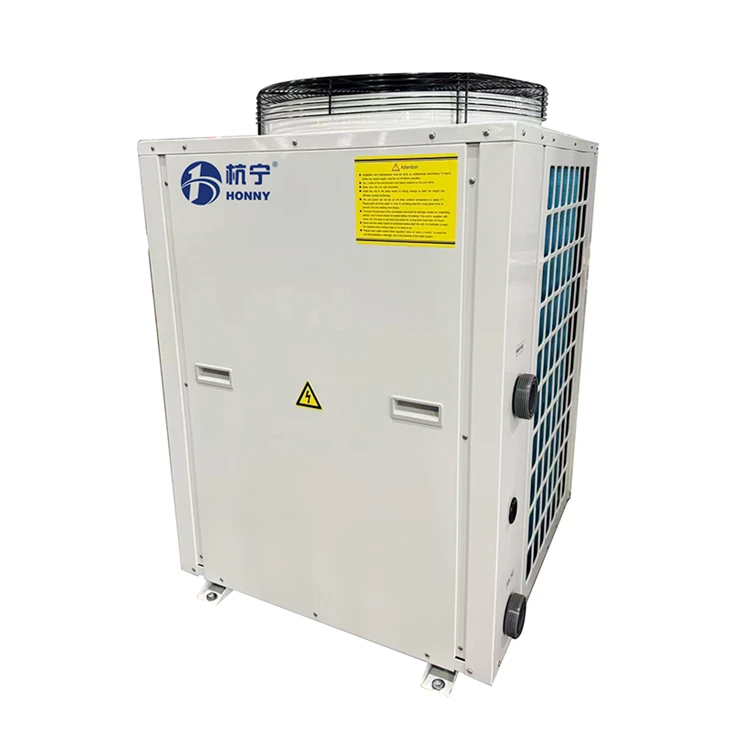
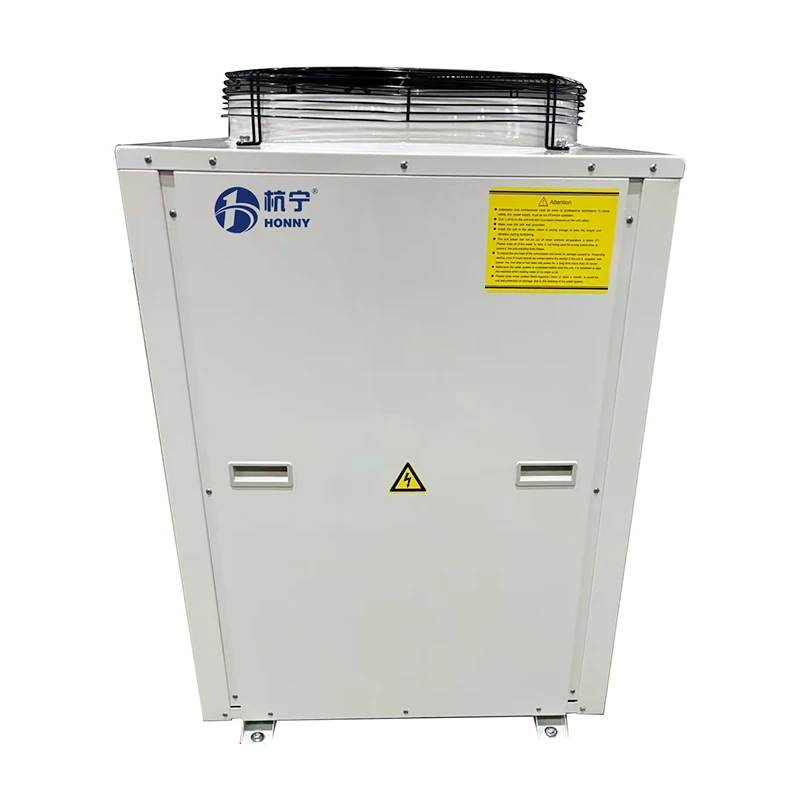
Once the water is drained, cover the heat pump with a protective cover. This will keep it safe from the elements and prevent dust and debris from getting inside.
Special Considerations for Different Types of Heat Pumps
We offer different types of portable pool heat pumps, like the Dc Inverter Swimming Pool Heat Pump and the Full Inverter Heat Pump. These heat pumps have some special features that require a bit of extra attention.
For inverter heat pumps, it's important to keep an eye on the inverter module. The inverter module controls the speed of the compressor, which helps to save energy. Make sure the inverter module is clean and free of dust. If you notice any error codes on the display, refer to the user manual or contact our customer support team.
In addition, inverter heat pumps are more sensitive to voltage fluctuations. So, it's a good idea to use a voltage stabilizer to protect the heat pump from power surges.
Why Regular Maintenance is Crucial
Regular maintenance is not just about keeping your heat pump running smoothly. It can also save you a lot of money in the long run. A well - maintained heat pump is more energy - efficient, which means lower energy bills. It also has a longer lifespan, so you won't have to replace it as often.
Moreover, regular maintenance can prevent major breakdowns. If you catch a small problem early, you can fix it before it turns into a big, expensive repair.
Contact Us for Your Portable Pool Heat Pump Needs
If you're in the market for a portable pool heat pump or need more information about maintenance, we're here to help. Our team of experts can answer all your questions and guide you through the selection process. Whether you're looking for a Hot Splash Pool Heat Pump, a Dc Inverter Swimming Pool Heat Pump, or a Full Inverter Heat Pump, we've got you covered.
Don't hesitate to reach out to us if you have any questions or want to discuss your pool heating needs. We're always happy to talk and help you find the perfect solution for your pool.
References
- Pool Heat Pump Manufacturer's Manuals
- Industry Standards for Pool Heat Pump Maintenance