

Alright, folks! As a supplier of HVAC pool heat pumps, I often get asked about how these nifty devices impact the environment. Well, let's dive right in and explore this topic in detail.
Energy Efficiency and Its Environmental Benefits
One of the most significant ways an HVAC pool heat pump affects the environment is through its energy efficiency. Unlike traditional pool heating methods, such as gas heaters, heat pumps use electricity to move heat from one place to another, rather than generating heat directly. This process is much more energy - efficient, which in turn reduces the demand for fossil fuels.
When we rely less on fossil fuels, we cut down on greenhouse gas emissions. Fossil fuel combustion releases large amounts of carbon dioxide (CO₂), methane (CH₄), and other pollutants into the atmosphere. These emissions are major contributors to climate change, causing global warming, rising sea levels, and extreme weather events.
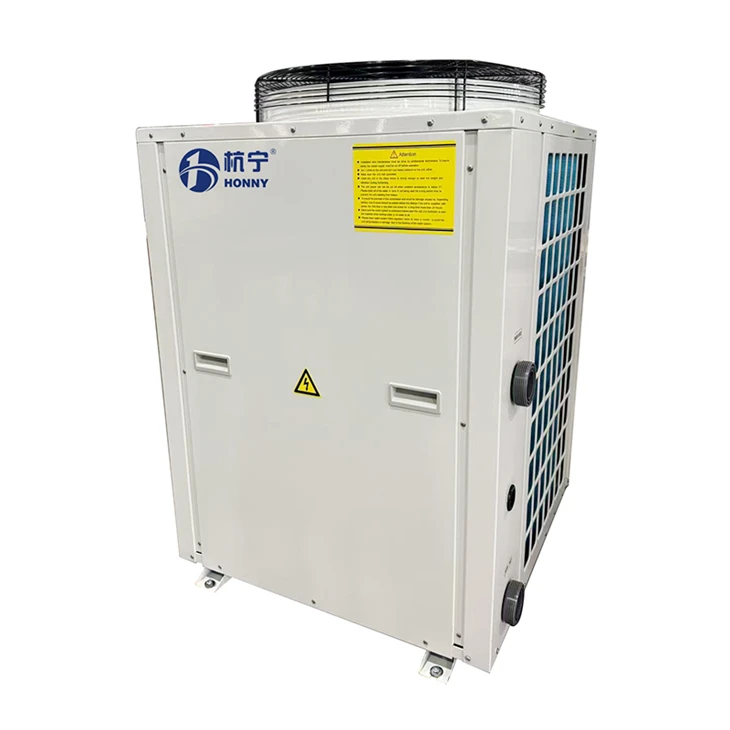
Our Dc Inverter Swimming Pool Heat Pump is a prime example of an energy - efficient option. The DC inverter technology allows the heat pump to adjust its compressor speed according to the pool's heating requirements. This means it doesn't have to run at full capacity all the time, saving energy and reducing its environmental footprint.
Refrigerants and Their Impact
Refrigerants play a crucial role in the operation of HVAC pool heat pumps. However, some refrigerants can have a significant impact on the environment. Older refrigerants, such as chlorofluorocarbons (CFCs) and hydrochlorofluorocarbons (HCFCs), are known to deplete the ozone layer. The ozone layer protects the Earth from harmful ultraviolet (UV) radiation, and its depletion can lead to various health problems, including skin cancer and eye damage in humans, as well as harm to wildlife and plants.
Thankfully, the HVAC industry has moved towards using more environmentally friendly refrigerants, such as hydrofluorocarbons (HFCs) and hydrofluoroolefins (HFOs). These newer refrigerants have zero or very low ozone - depletion potential (ODP).
But here's the catch: some HFCs still have a high global warming potential (GWP). GWP measures how much heat a greenhouse gas traps in the atmosphere over a specific period compared to carbon dioxide. High - GWP refrigerants can contribute to climate change. That's why we're constantly researching and looking for ways to use refrigerants with even lower GWPs in our 3 Phase Pool Heat Pump and other models.
Noise Pollution and Its Effects
Another environmental aspect to consider is noise pollution. HVAC pool heat pumps can generate noise during their operation. Excessive noise can have a negative impact on the local environment, especially in residential areas. It can disrupt the peace and quiet, affect wildlife behavior, and even cause stress and hearing problems for humans.
However, modern pool heat pumps are designed with noise reduction in mind. Our Portable Pool Heat Pump is engineered to operate quietly, using advanced insulation materials and noise - reducing technologies. This way, you can enjoy a warm pool without disturbing your neighbors or the local wildlife.
Water Usage and Conservation
Pool heat pumps don't consume a large amount of water like some other industrial processes. However, the overall water management of a pool system, which often includes the heat pump, is important for environmental reasons. Evaporation from the pool surface can lead to water loss, and in areas with water scarcity, this can be a significant issue.
To mitigate this, some pool heat pumps are designed to work in conjunction with pool covers. A pool cover reduces evaporation, conserving water and also helping to retain heat. Our Titanium Pool Heat Pump can be part of a water - efficient pool system, especially when paired with a proper cover.
Lifecycle Assessment
When evaluating the environmental impact of an HVAC pool heat pump, we also need to consider its entire lifecycle. This includes the manufacturing process, transportation, use, and disposal.
During the manufacturing process, the extraction of raw materials and the energy used in production can have an environmental cost. However, by using sustainable manufacturing practices, such as recycling and reducing waste, we can minimize this impact.
Transportation of the heat pumps from the factory to the end - user also contributes to emissions. We try to optimize our logistics to reduce the distance traveled and use more fuel - efficient vehicles.
In terms of disposal, pool heat pumps contain various components, some of which can be recycled. We encourage our customers to properly dispose of their old heat pumps and take advantage of recycling programs whenever possible.
The Role of Variable Speed Technology
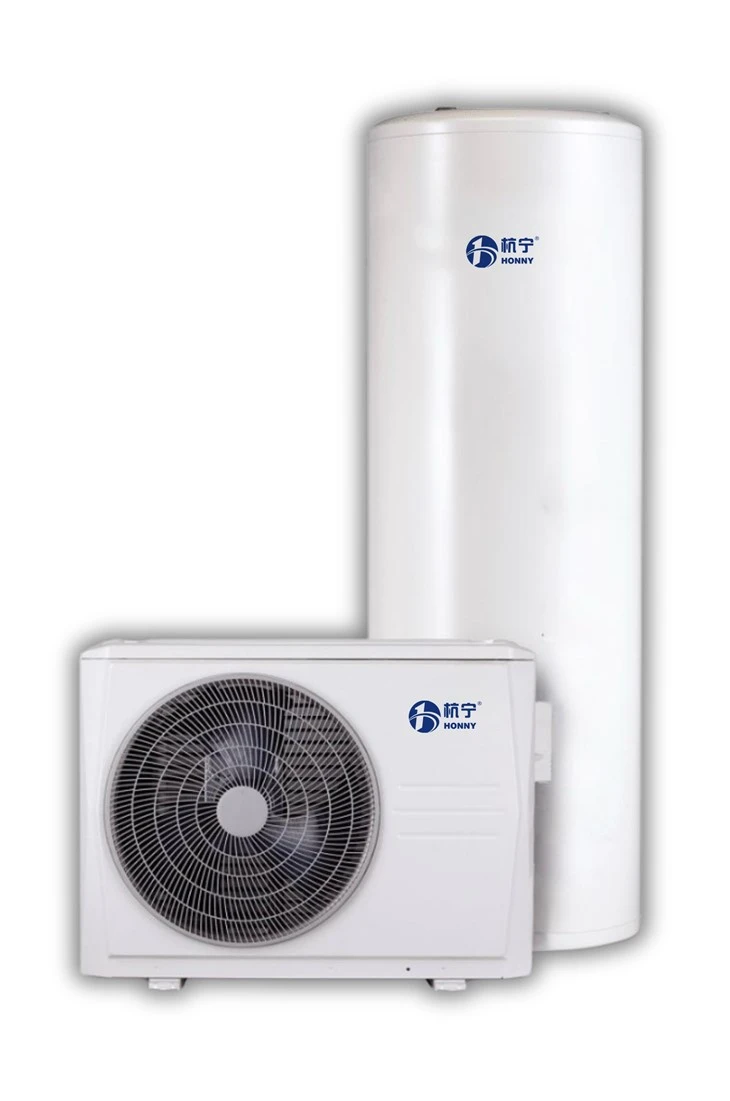
Our Variable Speed Pool Heat Pump is a game - changer when it comes to environmental impact. Variable speed technology allows the heat pump to operate at different speeds depending on the pool's heating needs. This not only saves energy but also reduces wear and tear on the components, extending the lifespan of the heat pump.
When a heat pump operates at a lower speed for longer periods, it can maintain a more consistent pool temperature. This is more energy - efficient than the stop - and - start operation of traditional heat pumps, which consume more energy when starting up.
Conclusion and Call to Action
So, as you can see, an HVAC pool heat pump can have both positive and negative impacts on the environment. But with the right technology and design, we can minimize the negative effects and maximize the benefits.
If you're in the market for a pool heat pump and want to make an environmentally friendly choice, we're here to help. We offer a wide range of high - quality, energy - efficient pool heat pumps that are designed with the environment in mind. Whether you need a Dc Inverter Swimming Pool Heat Pump, a 3 Phase Pool Heat Pump, or any other type, we've got you covered.
Don't hesitate to reach out to us for a consultation. We can help you choose the right pool heat pump for your specific needs and budget. Let's work together to keep your pool warm while also taking care of our planet.
References
- "Energy Efficiency Standards for Pool Heaters." U.S. Department of Energy.
- "Ozone - Depleting Substances." Environmental Protection Agency.
- "Global Warming Potential of Refrigerants." International Institute of Refrigeration.