

Balancing the water temperature in a pool is crucial for an enjoyable and comfortable swimming experience. Whether you're a homeowner with a private pool or manage a commercial swimming facility, maintaining the right temperature can enhance the usability of the pool throughout different seasons. As a supplier of Heat Cool Pool Pump, I've witnessed firsthand the transformative impact these pumps can have on pool temperature management. In this blog, I'll share insights on how to effectively balance the water temperature in a pool using a heat cool pool pump.
Understanding Heat Cool Pool Pumps
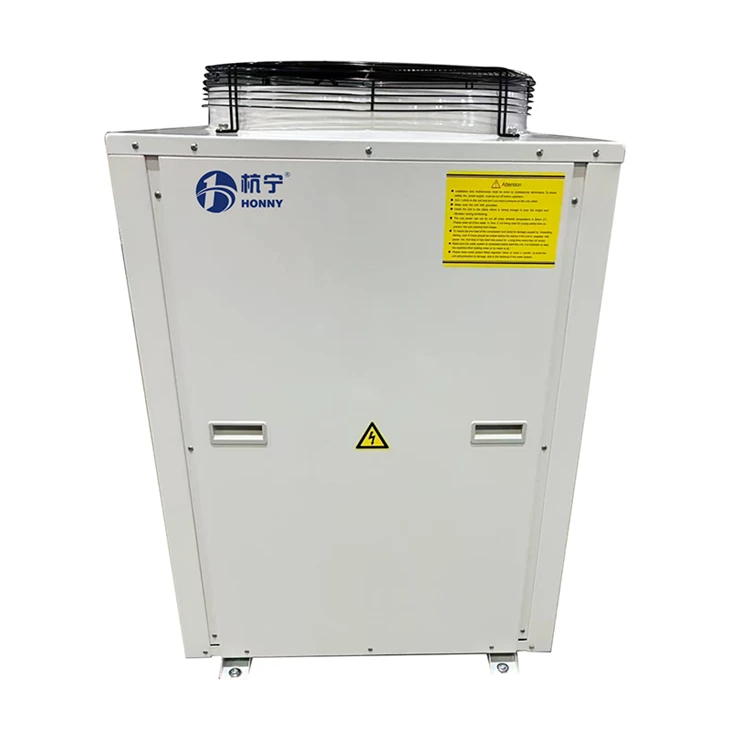
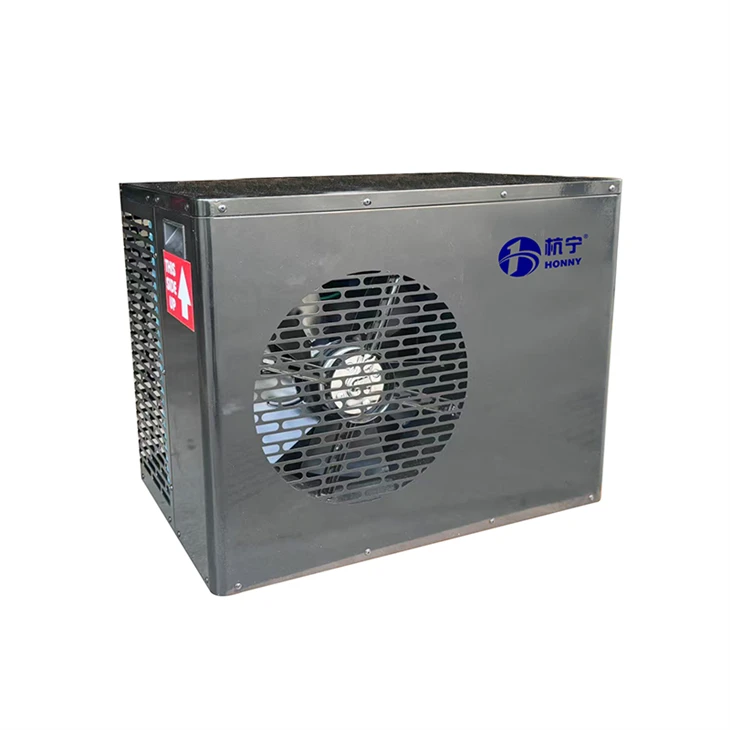
Before delving into the process of temperature balancing, it's essential to understand what a heat cool pool pump is and how it works. A heat cool pool pump, as the name suggests, is a device that can both heat and cool the water in a pool. It operates on the principle of heat transfer, similar to a traditional air conditioner or heat pump.
During the heating mode, the pump extracts heat from the surrounding air and transfers it to the pool water. This is particularly useful during cooler months or in regions with lower ambient temperatures. Conversely, in the cooling mode, the pump removes heat from the pool water and releases it into the environment. This function is beneficial in hot climates or during the peak summer months when the water can become uncomfortably warm.
Factors Affecting Pool Water Temperature
Several factors can influence the temperature of pool water, and understanding these is key to effectively balancing the temperature using a heat cool pool pump.
- Ambient Temperature: The temperature of the surrounding air plays a significant role in pool water temperature. In colder weather, the pool will naturally lose heat to the environment, while in hot weather, the water will absorb heat from the air.
- Sun Exposure: The amount of sunlight the pool receives can also impact its temperature. Pools that are exposed to direct sunlight for extended periods will generally be warmer than those in shaded areas.
- Pool Size and Depth: Larger and deeper pools require more energy to heat or cool compared to smaller, shallower ones. This is because there is a greater volume of water to regulate.
- Water Circulation: Proper water circulation is essential for maintaining a consistent temperature throughout the pool. Without adequate circulation, the water near the surface may be warmer or cooler than the water at the bottom.
Steps to Balance Pool Water Temperature
Now that we have a better understanding of heat cool pool pumps and the factors affecting pool water temperature, let's explore the steps to balance the temperature effectively.
Step 1: Determine Your Pool's Heating and Cooling Needs
The first step is to assess your pool's specific heating and cooling requirements. Consider the factors mentioned above, such as ambient temperature, sun exposure, pool size, and depth. This will help you choose the right size and capacity of the heat cool pool pump.
For larger pools, a Large Pool Heat Pump may be necessary to provide sufficient heating and cooling power. If you're using a three - phase electrical system, a 3 Phase Pool Heat Pump could be a suitable option. Additionally, a Variable Speed Pool Heat Pump offers more flexibility and energy efficiency by adjusting the pump's speed according to the pool's needs.
Step 2: Install the Heat Cool Pool Pump Correctly
Proper installation is crucial for the optimal performance of the heat cool pool pump. It's recommended to have the pump installed by a professional to ensure that it is connected correctly to the pool's plumbing system and electrical supply.
The pump should be placed in a well - ventilated area to allow for proper air intake and exhaust. Make sure that the intake and discharge pipes are properly sized and connected to prevent any leaks or restrictions in water flow.
Step 3: Set the Desired Temperature
Once the pump is installed, you can set the desired water temperature on the pump's control panel. Most heat cool pool pumps come with a digital thermostat that allows you to easily adjust the temperature.
When setting the temperature, consider your personal preferences and the intended use of the pool. For example, a temperature between 78°F and 82°F (25.6°C - 27.8°C) is generally comfortable for swimming, while a slightly cooler temperature may be preferred for lap swimming or exercise.
Step 4: Monitor and Adjust as Needed
After setting the desired temperature, it's important to monitor the pool water temperature regularly. You can use a pool thermometer to check the temperature at different locations in the pool, especially near the surface and at the bottom.
If the water temperature is not reaching or maintaining the set temperature, you may need to make some adjustments. This could involve increasing or decreasing the pump's heating or cooling capacity, adjusting the water circulation rate, or checking for any issues with the pump or the pool's plumbing system.
Step 5: Consider Using Additional Insulation
To improve the efficiency of the heat cool pool pump and reduce heat loss, you can consider using additional insulation for your pool. This could include a pool cover, which helps to retain heat during cooler periods and prevent heat gain during hot weather.
Portable Pool Heat Pump can also be a great option for smaller pools or for those who want a more flexible solution. They can be easily moved and installed as needed, providing an extra layer of temperature control.
Energy Efficiency and Cost Considerations
Balancing the pool water temperature using a heat cool pool pump not only provides a comfortable swimming experience but also has energy efficiency and cost - saving implications.
- Energy Efficiency: Modern heat cool pool pumps are designed to be energy - efficient, using advanced technologies to minimize energy consumption. Variable speed pumps, for example, can adjust their speed according to the pool's needs, reducing energy usage compared to traditional single - speed pumps.
- Cost Savings: By maintaining the pool water temperature at an optimal level, you can reduce the need for excessive heating or cooling, which can lead to significant cost savings over time. Additionally, some heat cool pool pumps are eligible for energy - efficiency rebates or incentives, further reducing the overall cost of ownership.
Conclusion
Balancing the water temperature in a pool using a heat cool pool pump is a practical and effective way to enhance the usability and comfort of your pool. By understanding the factors affecting pool water temperature, following the steps outlined above, and considering energy efficiency and cost - saving measures, you can ensure that your pool remains at the perfect temperature throughout the year.
If you're interested in learning more about our Heat Cool Pool Pump or other pool heating and cooling solutions, we invite you to contact us for a detailed consultation. Our team of experts is ready to assist you in choosing the right product for your specific needs and provide professional installation and support services.
References
- "Pool Heating and Cooling Systems: A Comprehensive Guide." Pool & Spa News.
- "Energy Efficiency in Pool Pumps." U.S. Department of Energy.
- "Understanding Heat Pumps for Pools." The Spruce.